Compare Top Local Operators
100% Free

Planning a trip to Côte d'Ivoire?

Share your travel plans and get free itineraries and quotes from multiple trusted local operators.

Itineraries tailored to your travel plans Compare quotes from multiple local operators Connect directly with trusted local operators
Get Free Quotes

10k+ travelers have submitted inquiries

Côte d'Ivoire - Travel Guide

4.5

Must-see attractions, popular activities, and featured local operators

West Africa

Côte d'Ivoire, also known as Ivory Coast, is a vibrant West African nation known for its rich cultural heritage, diverse landscapes, and welcoming locals. Its largest city, Abidjan, is a bustling hub with a dynamic arts scene, encapsulating contemporary African culture with an array of galleries, music venues, and vibrant markets. The city of Yamoussoukro, the political capital, is home to the Basilica of Our Lady of Peace, the world's largest church. The country also offers unique experiences like exploring the Tai National Park, one of the last remaining primary rainforests in West Africa, and visiting the traditional Senufo villages in the north. Côte d'Ivoire's culture is a tapestry of over 60 ethnic groups, each with unique traditions, dance, music, and food, offering a rich and varied experience for travelers.
Attractions

Language

French is the official language, used in government, schools, and media, and is widely spoken throughout the country. Local languages also hold significant importance, with over 60 ethnic languages present, including Baoulé, Dioula, and Yacouba. Although French is prevalent, the use of English is not widespread.

Best Time to Visit

The best time to visit Côte d'Ivoire is during the dry season, which typically runs from November to April. This period offers optimal weather conditions for exploring the country's diverse landscapes, from bustling urban centers to serene natural parks. It's also an ideal time to engage in outdoor activities and enjoy cultural festivals without the interruption of heavy rains. However, for beach lovers, the coastal areas remain welcoming throughout the year, offering warm temperatures and pleasant sea conditions.

Month
Weather Overview
January
Dry season with mild temperatures (24-31°C). Low humidity and minimal rainfall, ideal for travel.
February
Warm temperatures (24-32°C) with dry conditions. Low humidity and very little rain.
March
Temperatures rise (25-33°C), and humidity increases slightly. Still mostly dry, with minimal rain.
April
Hot weather (26-33°C) with dry conditions. Humidity remains moderate, and rain is rare.
May
Start of the rainy season with temperatures (25-32°C). Increased rainfall and humidity, but occasional dry spells.
June
Wet season continues with temperatures (24-30°C). Heavy rainfall and high humidity, making travel less comfortable.
July
Cooler temperatures (24-29°C) due to rain, but humidity remains high. Frequent showers.
August
Rainy season with temperatures (24-29°C). High humidity and significant rainfall, reducing outdoor activities.
September
Wet and humid with temperatures (24-29°C). Continuous rainfall and high humidity levels.
October
Rain continues with temperatures (24-30°C). High humidity and regular showers, though rain starts to decrease by month-end.
November
Dry season begins with temperatures (24-31°C). Low humidity and little rainfall, ideal for travel.
December
Dry, with temperatures (24-30°C). Low humidity, minimal rain, and comfortable conditions for travel.

Festivals

Month:8
Festival:Fête de l'Indépendance

This national holiday celebrates Côte d'Ivoire's independence from France in 1960. Travelers can experience vibrant parades, patriotic ceremonies, and cultural performances across major cities like Abidjan. The festive atmosphere includes fireworks, music, and dance.

Month:4
Festival:Fêtes des Masques

Held in the western region of the country, this festival showcases the rich tradition of mask-making and ritual dances. Visitors can witness colorful mask parades, traditional music, and performances by local ethnic groups, offering a deep cultural immersion.

Month:7
Festival:N'Zassa Festival

A celebration of Ivorian culture, particularly music, dance, and art, the N'Zassa Festival is held in the town of San Pedro. It features live performances, local crafts, and vibrant celebrations, offering travelers a chance to experience the lively spirit of the country's southern region.

Month:4
Festival:Festival des Musiques Urbaines d'Anoumabo

This music festival in Abidjan celebrates urban and popular music styles, featuring both local and international artists. Travelers can enjoy concerts, performances, and vibrant street life, as the city comes alive with music and dance.

Month:5
Festival:Fête de la Saint-Louis

This festival honors the French colonial past with a celebration of the Catholic Saint Louis. It includes religious ceremonies, music, and community gatherings, giving visitors insight into the country's French heritage and religious traditions.

Cuisine

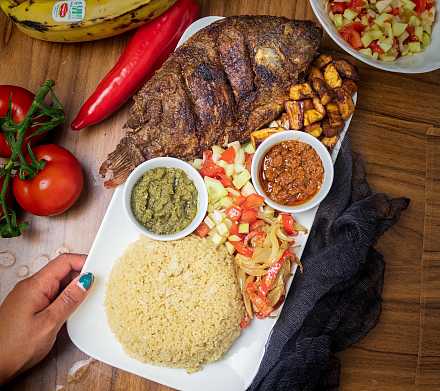
Attiéké

Attiéké

A staple made from fermented cassava, Attiéké is similar to couscous and is typically served with grilled fish, chicken, or a sauce made from vegetables and spices.

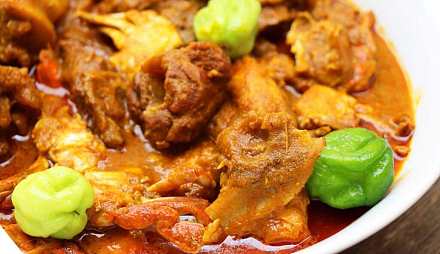
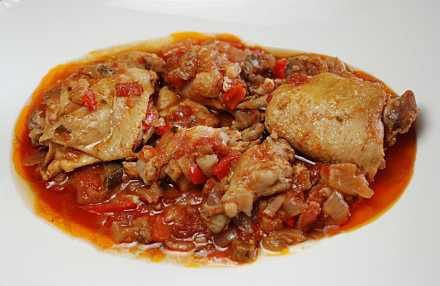
Kedjenou

Kedjenou

A flavorful chicken stew prepared by slow-cooking meat and vegetables in a sealed pot with minimal water, often flavored with hot peppers, tomatoes, and spices.

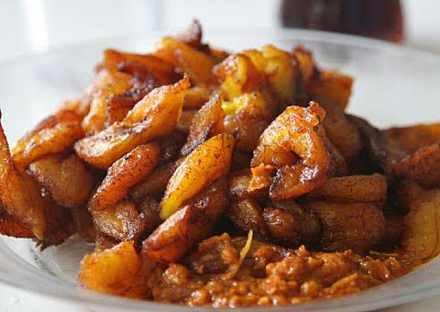
Alloco

Alloco

Fried plantains served as a side dish or snack, often paired with spicy sauce or fried fish for a delicious combination of sweet and savory flavors.

Sauce Graine

Sauce Graine

A thick, rich sauce made from palm nuts, usually served with rice or cassava, and often accompanied by meat or fish.

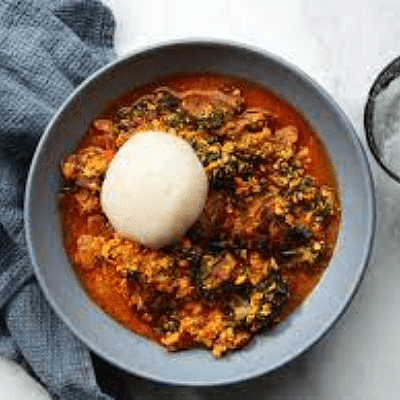
Fufu

Fufu

A smooth, starchy dish made from pounded yam or plantains, served with a variety of soups or stews, and often enjoyed with family meals.

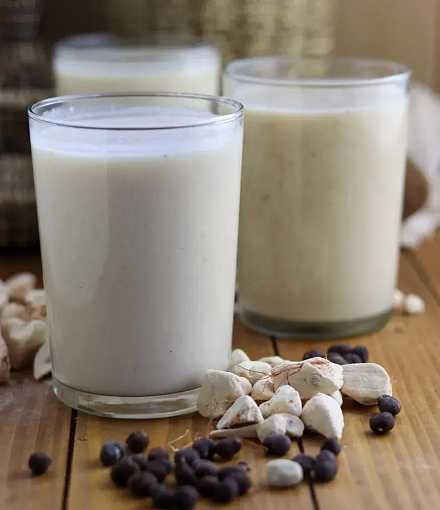
Baobab Juice

Baobab Juice

A refreshing drink made from the pulp of the baobab fruit, known for its tangy flavor and high vitamin C content, often sweetened and served chilled.

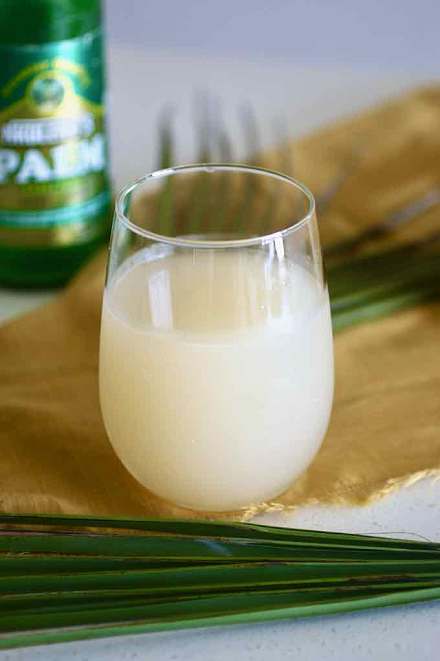
Palm Wine

Palm Wine

A traditional alcoholic beverage made from the sap of palm trees, often fermented and enjoyed as a social drink in local gatherings.

Packing

When packing for Côte d'Ivoire, prioritize lightweight and breathable clothing due to the tropical climate, but also include a light jacket or sweater for cooler evenings. Comfortable shoes are essential for exploring the diverse terrain, and don't forget beachwear if you plan to visit the coastal areas. Rain gear may be helpful, particularly if you're traveling during the rainy season. As sun protection is crucial, pack a hat, sunglasses, and high-SPF sunscreen.

Currency

In Côte d'Ivoire, the official currency is the West African CFA franc (XOF), which is used in several other West African countries as well. It is available in both coin and banknote forms, with denominations ranging from 5 to 10,000 CFA francs. ATMs are widely accessible in urban areas such as Abidjan and Yamoussoukro, but might be less available in rural areas. Many ATMs accept international cards, but it's recommended to carry some cash as backup. Major credit cards are accepted in large hotels, restaurants, and businesses, but smaller establishments and markets may require cash.

Transport

Côte d'Ivoire's transportation system is diverse and accommodating. The country's main international gateway is Félix-Houphouët-Boigny International Airport in Abidjan, which has connections with many major global cities. Once in the country, there are several transportation options available. For long distances, domestic flights are a quick and efficient choice, while for shorter distances, buses and shared taxis are common. In cities, taxis are plentiful and affordable, but be sure to negotiate the fare before your journey begins. For a unique local experience, consider using gbakas, the minibuses that operate in Abidjan.

Emergency

It's generally considered impolite to use your left hand when giving or receiving items, as it is associated with uncleanliness. Avoid pointing at people as it's considered disrespectful. Also, be cautious when discussing political issues. Public displays of affection are not widely accepted, particularly outside urban areas. For emergencies, the general emergency number in Côte d'Ivoire is 185, but it's always advisable to check for any updated information upon arrival.

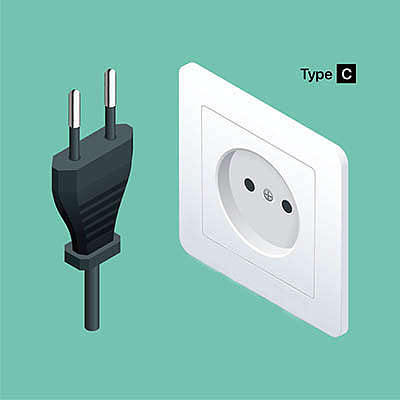
Power Sockets

Côte d'Ivoire uses Type C and Type E power sockets. The standard voltage is 230 V, and the standard frequency is 50 Hz.

Socket sample 1Socket sample 2

Tours

View all tours

No featured routes yet

Route recommendations for this destination are coming soon.

Tour operators

View all operators